
Cordyceps for women: are there any specifics
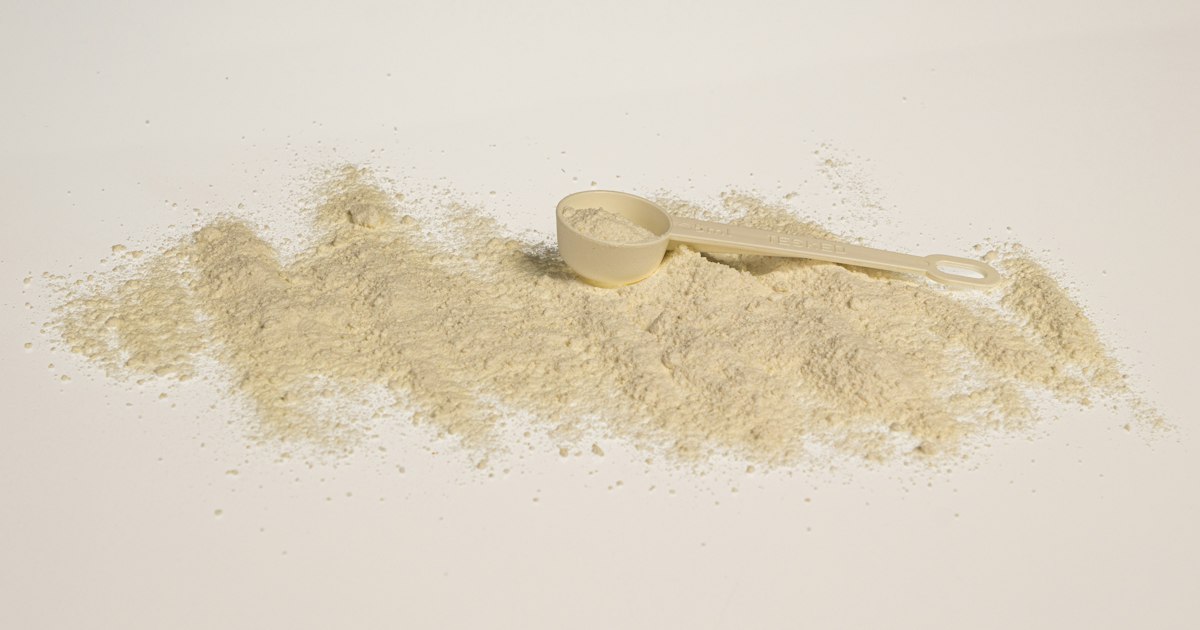
Cordyceps is marketed as an “energy mushroom” that supposedly boosts endurance, libido and even helps with conceiving. Women increasingly buy it together with protein and collagen. The editorial team checked what of this is confirmed by research, whether women face any special risks, and how to avoid running into a poor-quality product.
What cordyceps is and which types are sold
Cordyceps is the general name for a group of parasitic fungi that in nature grow on insect larvae. The best-known wild species, known in traditional Tibetan and Chinese medicine, is now classified as Ophiocordyceps sinensis. Wild raw material is extremely expensive, so it is almost never found in supplements.
Two variants dominate the market. The first is cultivated mycelium obtained by fermentation of strains related to O. sinensis (for example, the well-known Cs-4 in studies). The second is Cordyceps militaris, grown on a grain substrate. These are different products with unequal chemical composition.
The active substances of cordyceps include cordycepin (3’-deoxyadenosine), adenosine, polysaccharides, in particular beta-glucans, and mannitol. Cordycepin in significant amounts is characteristic specifically of C. militaris; a review by Tuli and colleagues (2013) describes it as the main bioactive metabolite with a wide range of laboratory effects.
For the consumer this means that “cordyceps” on the label guarantees nothing yet. The result of a study with one species and one extract cannot be automatically transferred to another. We recommend looking on the package for the fungus species, the part of the raw material (fruiting body or mycelium), and standardization by cordycepin or polysaccharides.
Endurance: what studies show
The main “sports” idea of cordyceps is improving oxygen use and energy metabolism. Clinical data here are contradictory. In a study by Parcell and colleagues (2004), taking Cs-4 for five weeks did not improve endurance in trained male cyclists. Earnest and colleagues (2004) also found no benefit of a commercial formula with cordyceps.
In the work of Hirsch and colleagues (2017), a mushroom blend with Cordyceps militaris after several weeks of intake improved certain measures of tolerance to high-intensity exercise, in particular maximal oxygen uptake and time to exhaustion. The effects were moderate, and the product was multicomponent.
There are practically no separate studies conducted on female athletes alone. Most works included men or small mixed groups, so it is impossible to speak of a specific “female” effectiveness. Nor have physiological reasons to expect a fundamentally different effect been described.
Editorial conclusion: for a woman who runs, cycles or does functional training, cordyceps may give a small effect in high-intensity work, but may give none at all. The basic factors — energy sufficiency, iron, sleep and a training plan — have an incomparably greater impact.
Hormones, libido and fertility: myths and facts
In traditional medicine, cordyceps was used as a means for “supporting the sexual function” of men and women. Modern marketing has turned this into promises to boost libido, normalize the cycle and help with infertility. However, these claims rely mostly on studies in animals and cells.
In laboratory models, cordyceps extracts affected the synthesis of steroid hormones, but transferring these results to humans is impossible: doses, routes of administration and biological models differ substantially. The editorial team is not aware of quality clinical studies that would confirm an effect of cordyceps on female hormones, fertility or the course of polycystic ovary syndrome.
The danger of such myths lies not so much in the mushroom itself as in the postponement of examination. Cycle disorders, amenorrhea in athletes and difficulties conceiving have specific causes, among them low energy availability and hormonal and anatomical problems. They are diagnosed by a gynecologist, not a supplement.
So if cordyceps is bought for the sake of libido or fertility, expectations should be significantly lowered. Well-being may improve through a general feeling of vigor, but there is no evidence of a specific effect on the female reproductive system.
| Claim | Level of evidence in humans | Editorial comment |
|---|---|---|
| Increases endurance | Contradictory data | A possible small effect in high-intensity work |
| Increases libido in women | No quality studies | Mostly traditional beliefs and animals |
| Helps with conceiving | No data | Does not replace examination |
| Normalizes the cycle | No data | Cycle disorders require diagnosis |
| Supports immunity | Laboratory and early clinical data | Important in autoimmune diseases |
Immunity, autoimmune conditions and pregnancy
Cordyceps polysaccharides stimulate the activity of immune cells in laboratory studies. For a healthy person this more often sounds like an advantage, but there is an important group for whom immune stimulation may be undesirable — people with autoimmune diseases.
Autoimmune diseases, such as systemic lupus erythematosus, rheumatoid arthritis, autoimmune thyroiditis or multiple sclerosis, occur much more often in women. Theoretically, substances that activate the immune response may affect their course or the action of immunosuppressive therapy. There are few clinical data, so caution here is justified.
As for pregnancy and breastfeeding, there are no safety studies of cordyceps. In the absence of data, the editorial team, like most reference sources, does not recommend taking it during this period. The same applies to the pregnancy-planning stage.
Cordycepin and adenosine affect platelet aggregation under laboratory conditions. The clinical significance of this has not been clarified, but women taking anticoagulants or antiplatelet agents, as well as before surgical interventions, should tell their doctor about taking the supplement.
Product quality and practical guidelines
One of the real problems with cordyceps is the quality of the raw material. The high cost of the wild fungus encourages adulteration, and natural raw material may contain impurities. Wu and colleagues (1996) described cases of lead poisoning through contaminated cordyceps, to which metal was probably added to increase the weight.
- Choose cultivated raw material (Cs-4 mycelium or C. militaris fruiting bodies) from a manufacturer with open quality-control data.
- Look for a certificate of analysis for heavy metals and microbiological purity.
- Avoid products without an indication of the fungus species and the degree of extraction.
- Do not buy “wild Tibetan cordyceps” at a low price — it is almost always a fake.
In clinical studies, doses of about 1–4 g of raw material or extract per day, divided into several servings, over several weeks, were mostly used. For supplements sold in pharmacies and sports nutrition stores, it is reasonable to follow the manufacturer’s dose and not exceed it.
Cordyceps is usually well tolerated; among side effects, discomfort in the digestive tract, nausea and dry mouth are described. If a rash, itching or other allergic reactions appear, intake should be stopped. People allergic to mushrooms should be especially careful.
The effect should be assessed after 3–4 weeks of regular intake by specific measures: well-being at intense workouts, feeling of fatigue, results of test workouts. If there are no changes, there is no point in continuing intake.
Editorial conclusions
Cordyceps has no proven specific effect on the female body: the promises regarding hormones, libido and fertility are based on traditional beliefs and animal studies.
As for endurance, the data are contradictory: individual works with C. militaris show moderate benefit in high-intensity exercise, other studies find no effect. There are almost no studies specifically on female athletes.
Women with autoimmune diseases, during pregnancy, lactation and while on anticoagulants should take cordyceps only after consulting a doctor or not take it at all. The quality of the raw material and testing for heavy metals are of key importance.
We recommend reading our articles “Cordyceps after 40,” “Ginseng for women: are there any specifics” and “Quercetin for women: are there any specifics.”
References
- Parcell AC, Smith JM, Schulthies SS, Myrer JW, Fellingham G. Cordyceps sinensis (CordyMax Cs-4) supplementation does not improve endurance exercise performance. Int J Sport Nutr Exerc Metab. 2004;14(2):236–242.
- Earnest CP, Morss GM, Wyatt F, et al. Effects of a commercial herbal-based formula on exercise performance in cyclists. Med Sci Sports Exerc. 2004;36(3):504–509.
- Hirsch KR, Smith-Ryan AE, Roelofs EJ, Trexler ET, Mock MG. Cordyceps militaris improves tolerance to high-intensity exercise after acute and chronic supplementation. J Diet Suppl. 2017;14(1):42–53.
- Chen S, Li Z, Krochmal R, Abrazado M, Kim W, Cooper CB. Effect of Cs-4 (Cordyceps sinensis) on exercise performance in healthy older subjects: a double-blind, placebo-controlled trial. J Altern Complement Med. 2010;16(5):585–590.
- Tuli HS, Sharma AK, Sandhu SS, Kashyap D. Cordycepin: a bioactive metabolite with therapeutic potential. Life Sci. 2013;93(23):863–869.
- Das SK, Masuda M, Sakurai A, Sakakibara M. Medicinal uses of the mushroom Cordyceps militaris: current state and prospects. Fitoterapia. 2010;81(8):961–968.
- Wu TN, Yang KC, Wang CM, et al. Lead poisoning caused by contaminated Cordyceps, a Chinese herbal medicine: two case reports. Sci Total Environ. 1996;182(1–3):193–195.
Andriy Melnyk
A strength-sports coach and author of programs for beginner and intermediate levels. Writes about training planning.